Are You Interested in Vinyl Pools?
Start designing your dream pool — get a free design consultation with a local Premier builder.
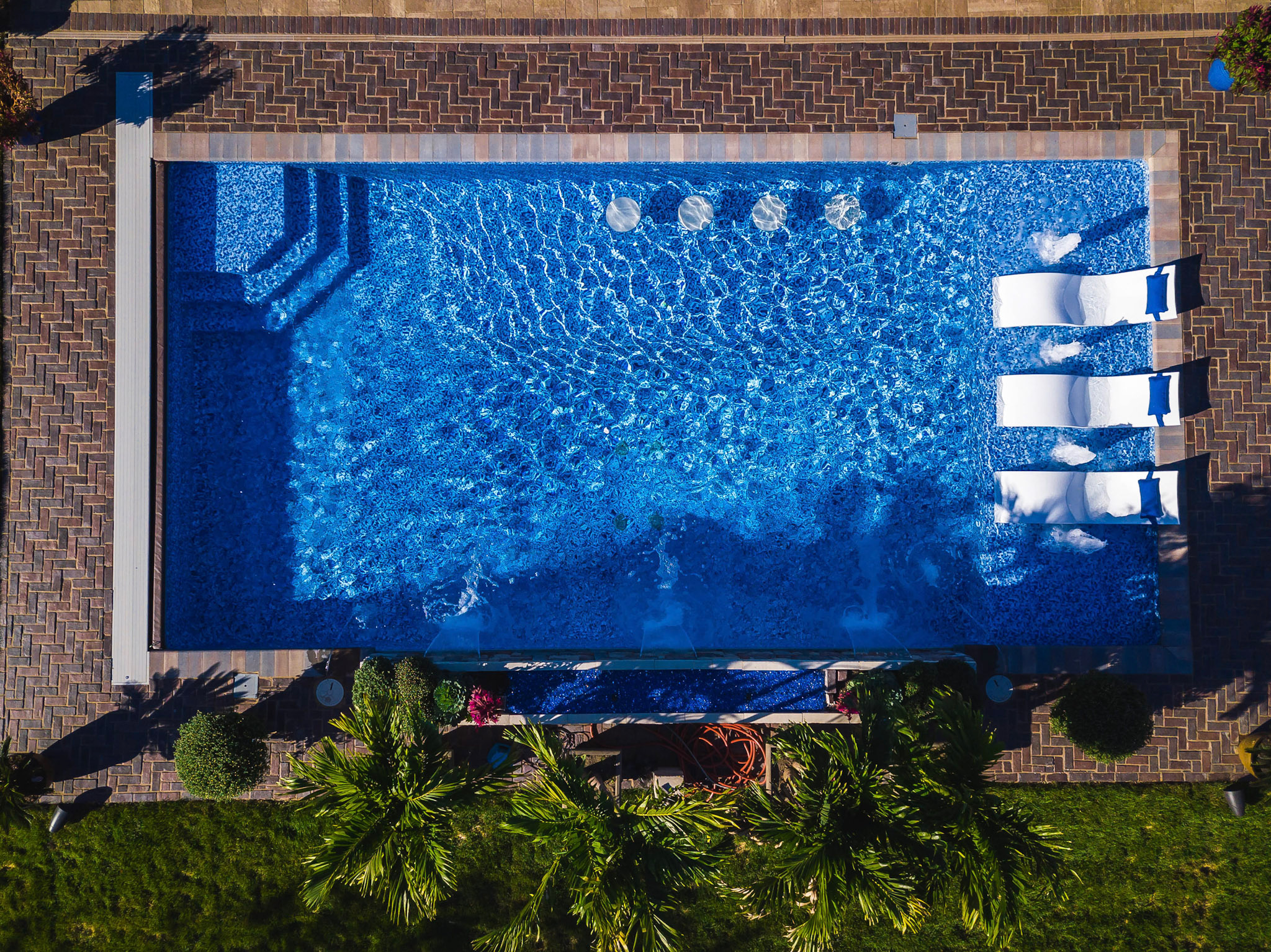
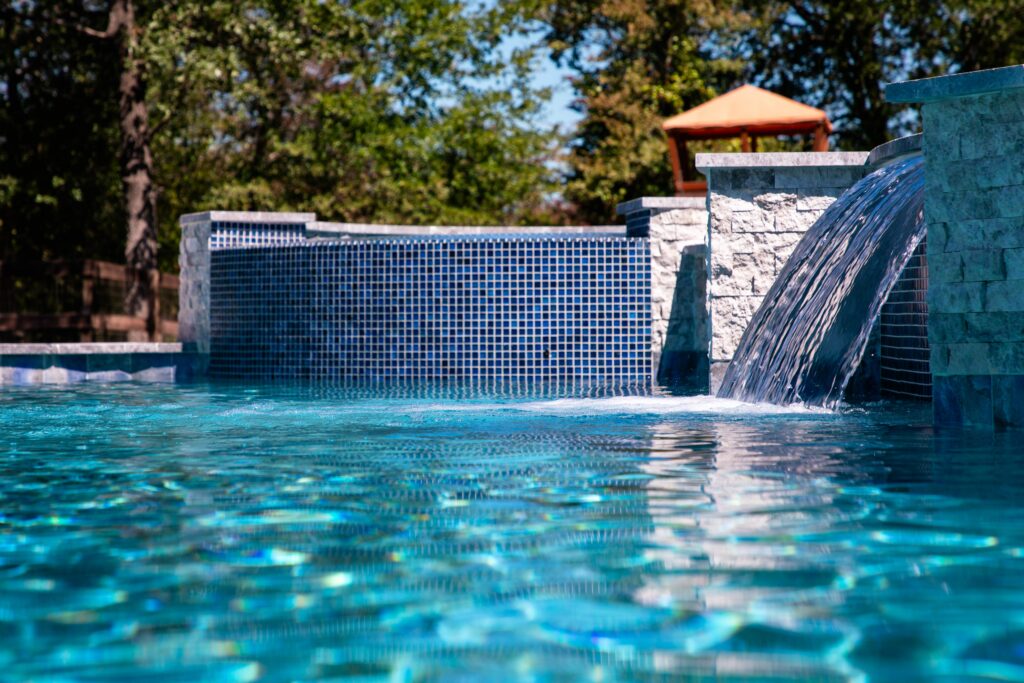
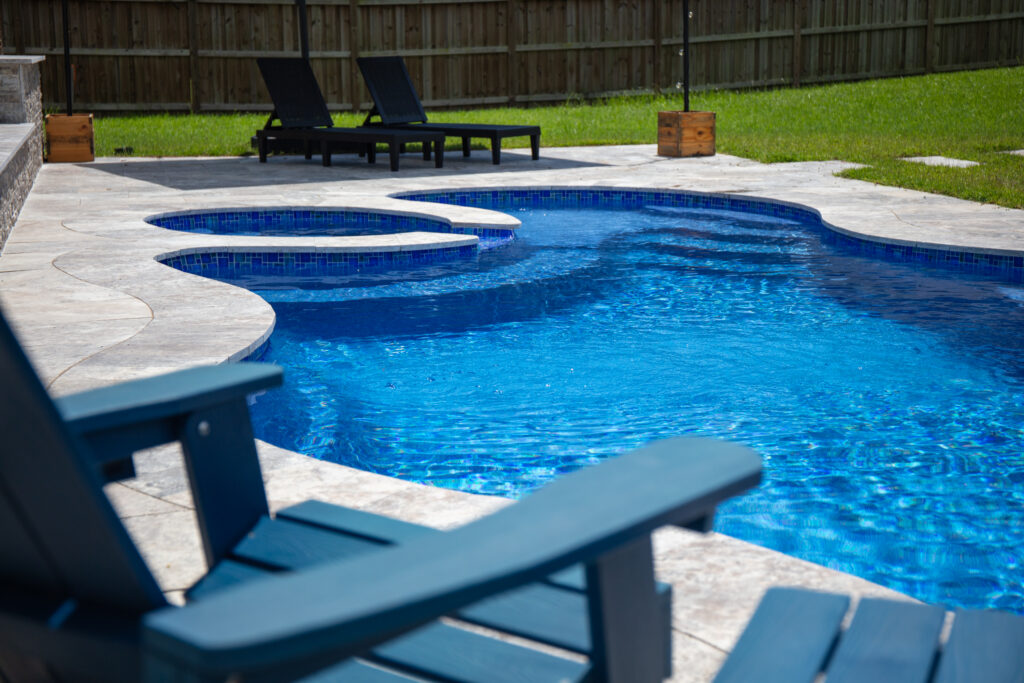
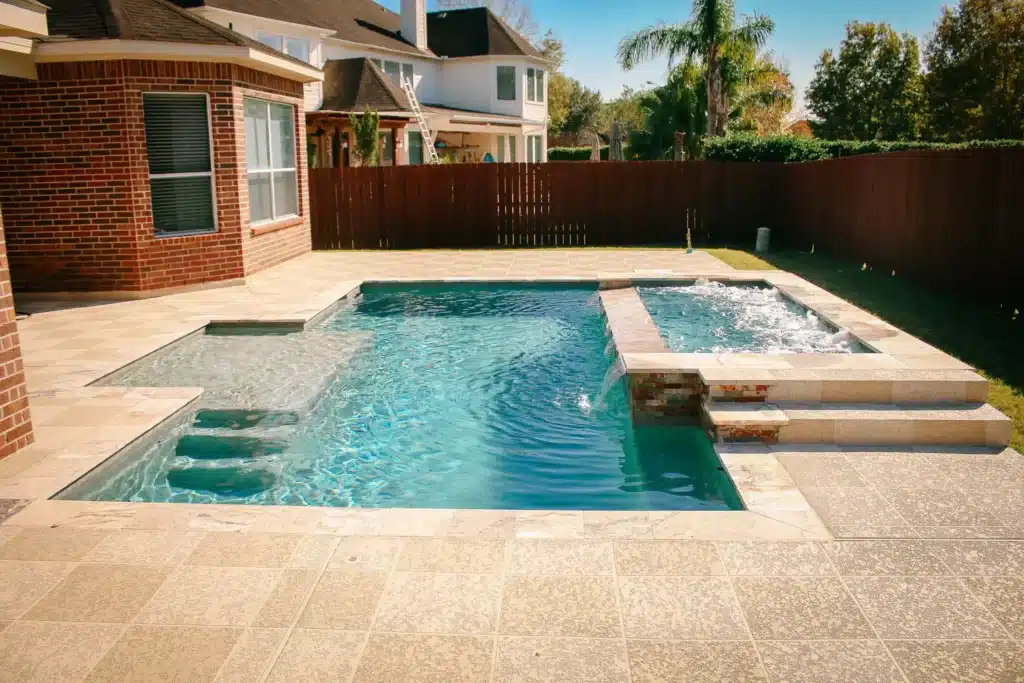
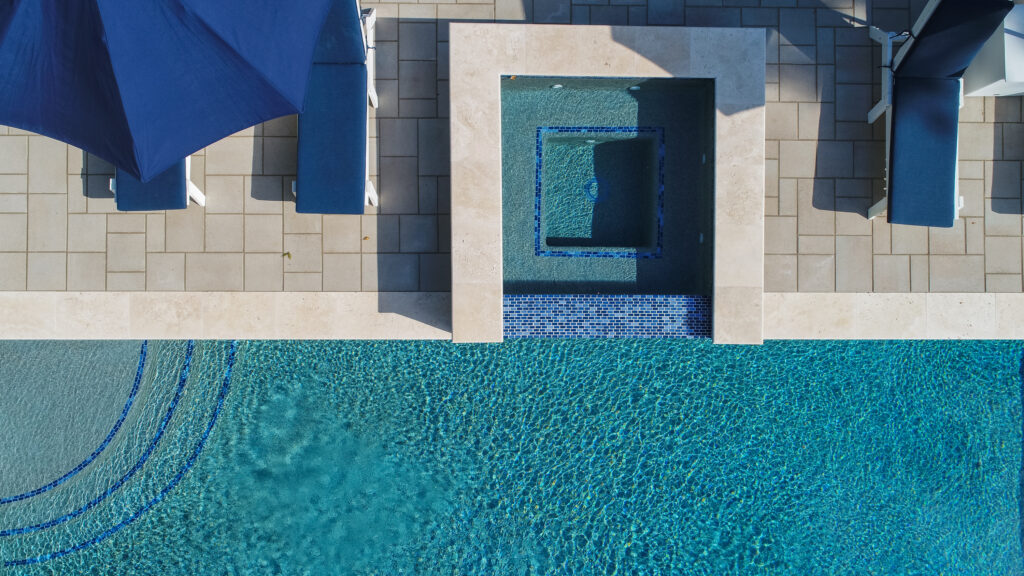
Explore vinyl pools designs built by Premier Pools & Spas — real projects to inspire your own backyard transformation.
Pros & Cons
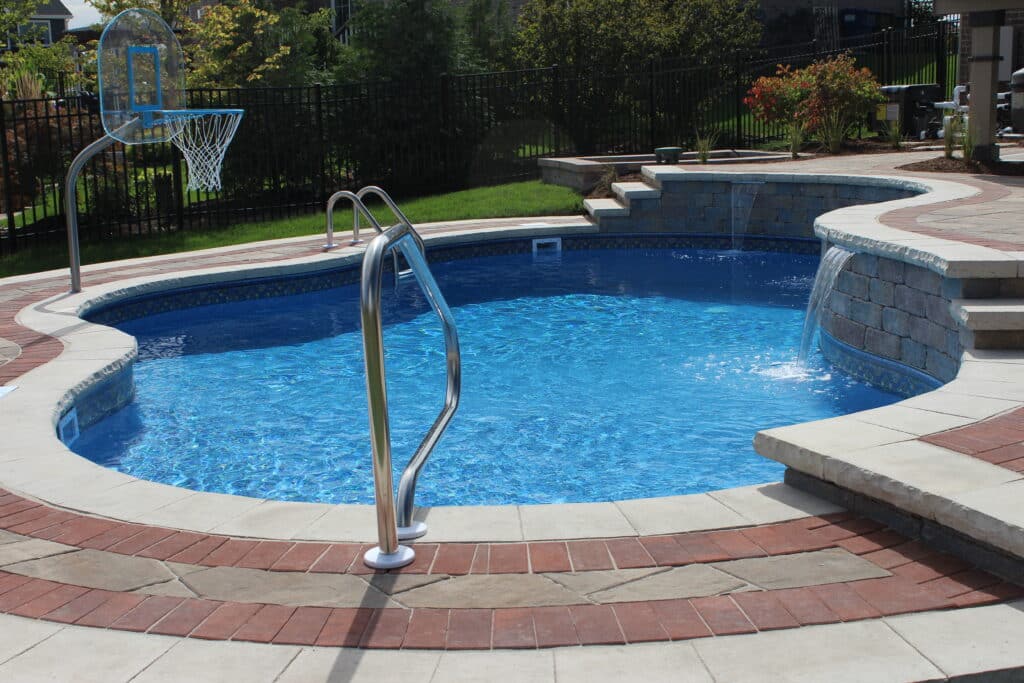
Building a vinyl swimming pool is a pocket-friendly project; even the custom designs cost less than gunite or fiberglass. The installation completes much faster than concrete.
Virtually any shape of a vinyl pool can be accommodated by modern manufacturing techniques that create a vinyl liner. Your shape & size options are virtually endless when building a vinyl liner pool.
Vinyl swimming pools need regular maintenance and inspections to stay in shape. Upon that, the pool may require five to six replacements in its lifetime. If you happen to find small tears, you can fix it quickly using patching glue.
In high water table areas, the liner seems to be floating when there is excess groundwater. When the groundwater recedes, it creates lines, and removing them is a time-consuming process. Keep in mind: You cannot drain the pool entirely without the liner becoming brittle.
Process
We excavate the site, remove the dirt, and verify the vinyl pool elevation.
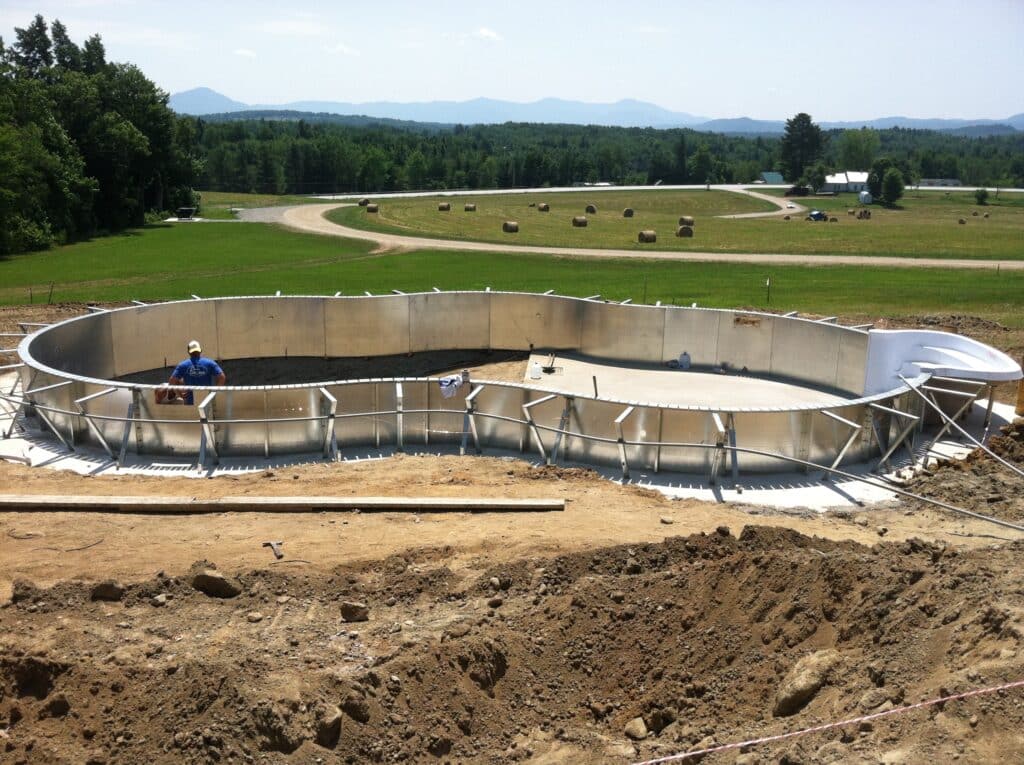
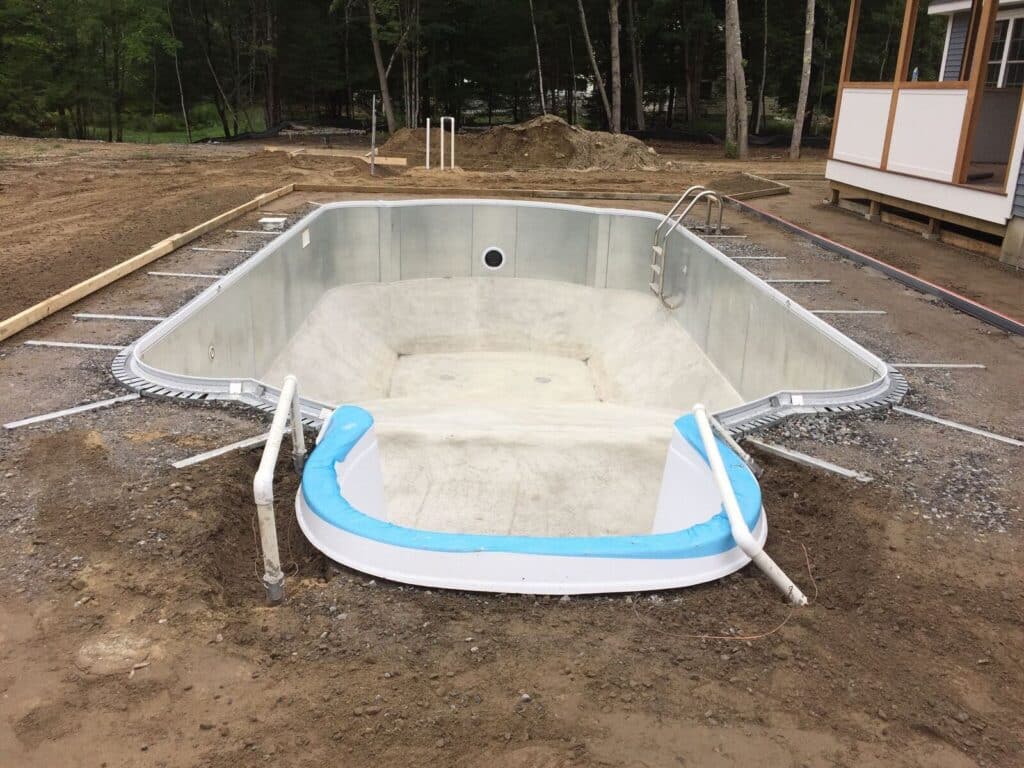
The vinyl pool walls are installed with galvanized steel, wood, concrete, or polymer material.
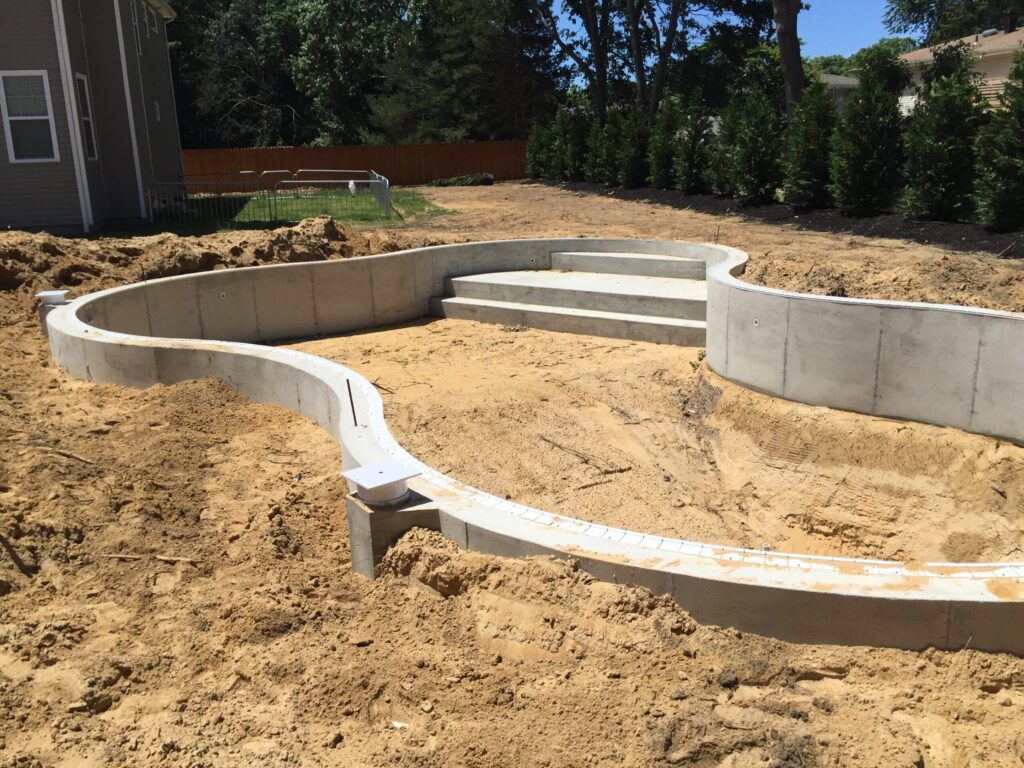
We run the plumbing lines and pour concrete footing (about eight inches deep) around the pool.
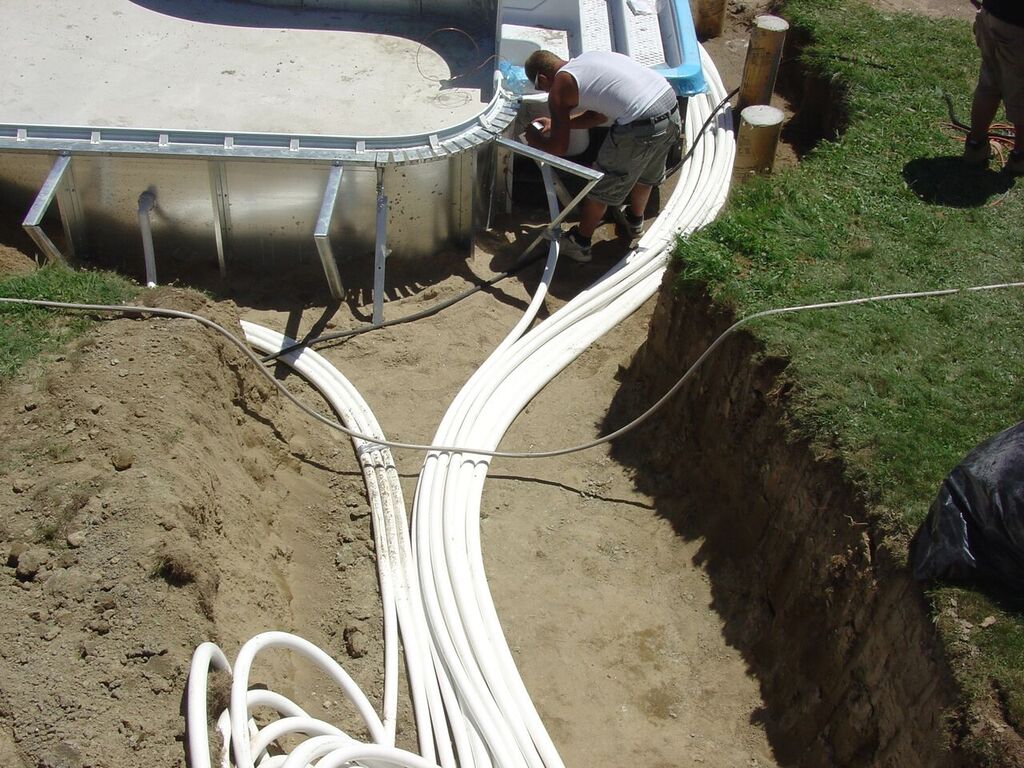
The main drains, plumbing, and pool equipment are set up.
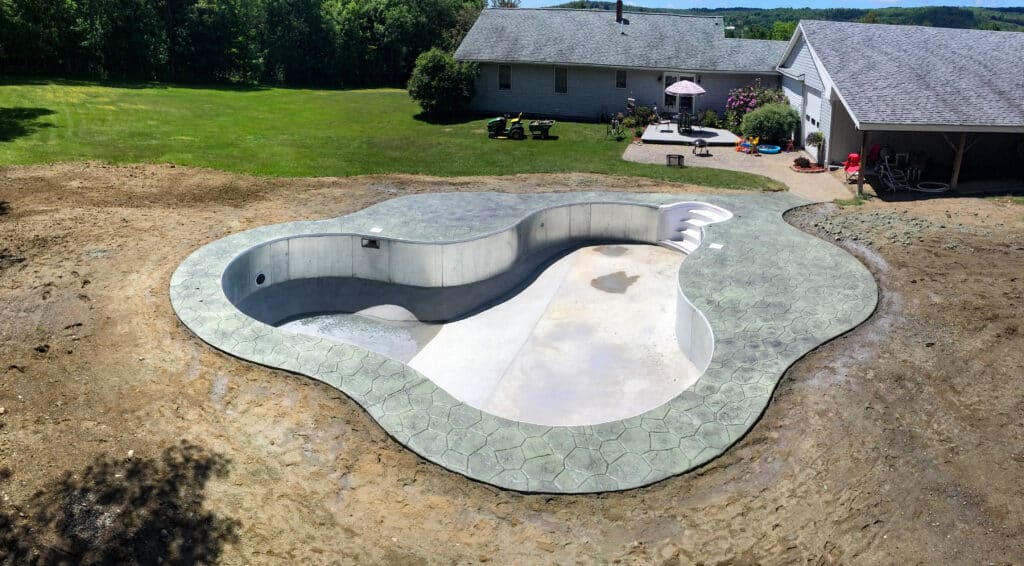
We trowel the base material mix and lay down the pool bottom over the exposed earth on which the liner rests. Next, we install the coping and backfill the pool.
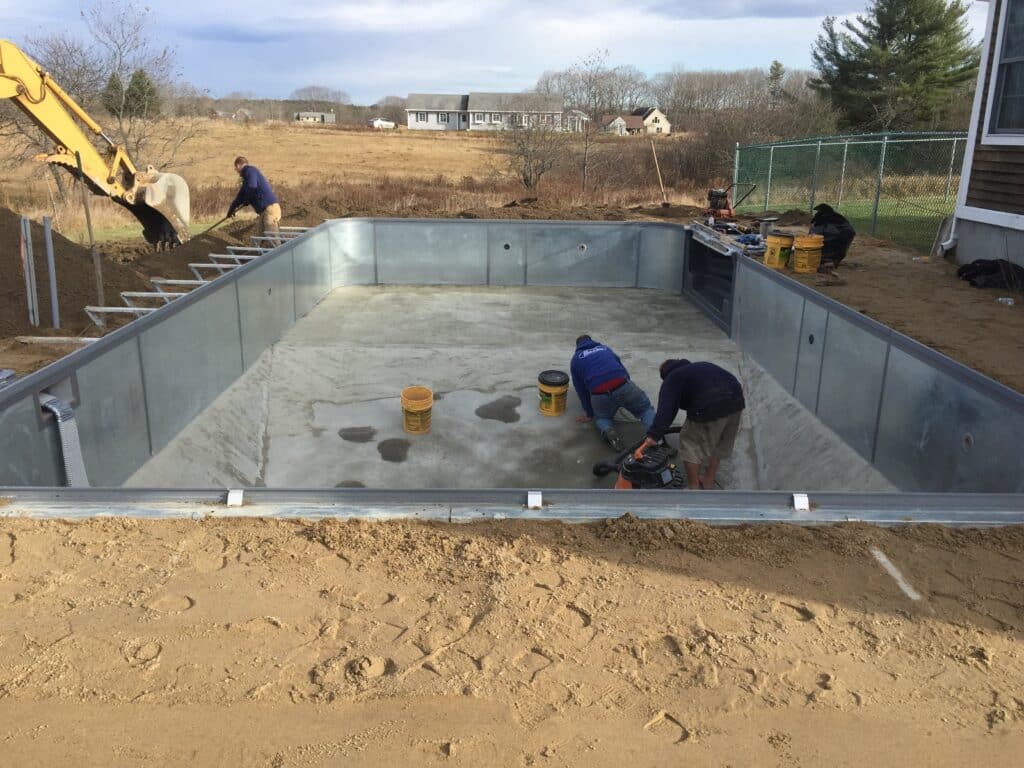
The liner bead is inserted into the wall panel-mounted track, upon which it snaps into place. The vinyl liner is vacuumed carefully to prevent air leaks.
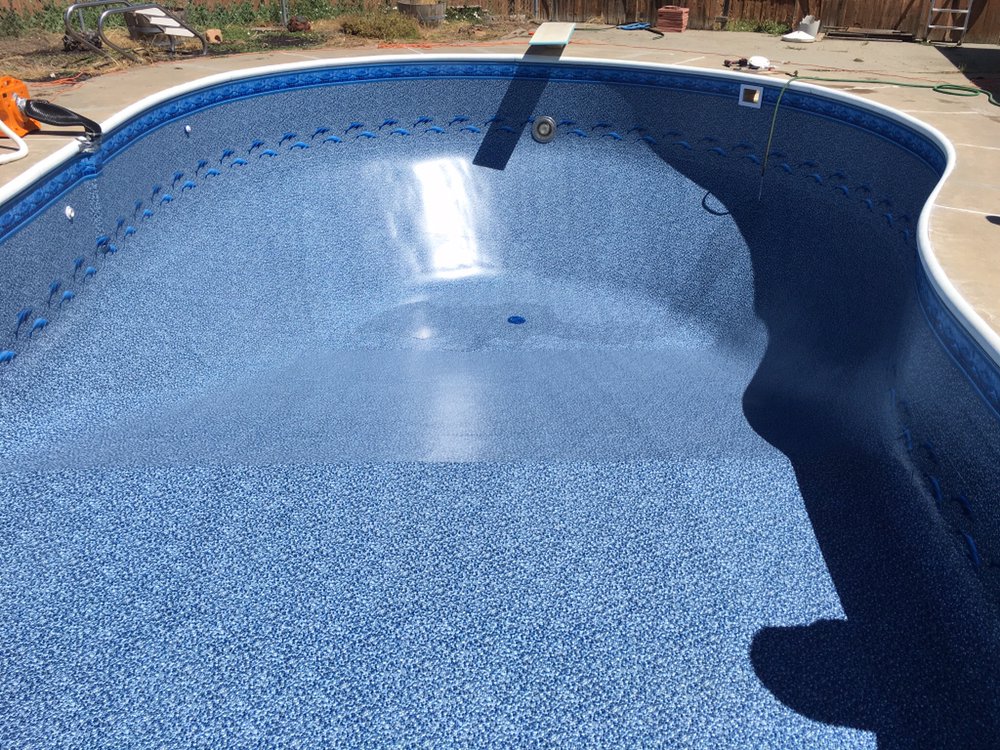
Water is filled, and the automatic pool cover is installed.
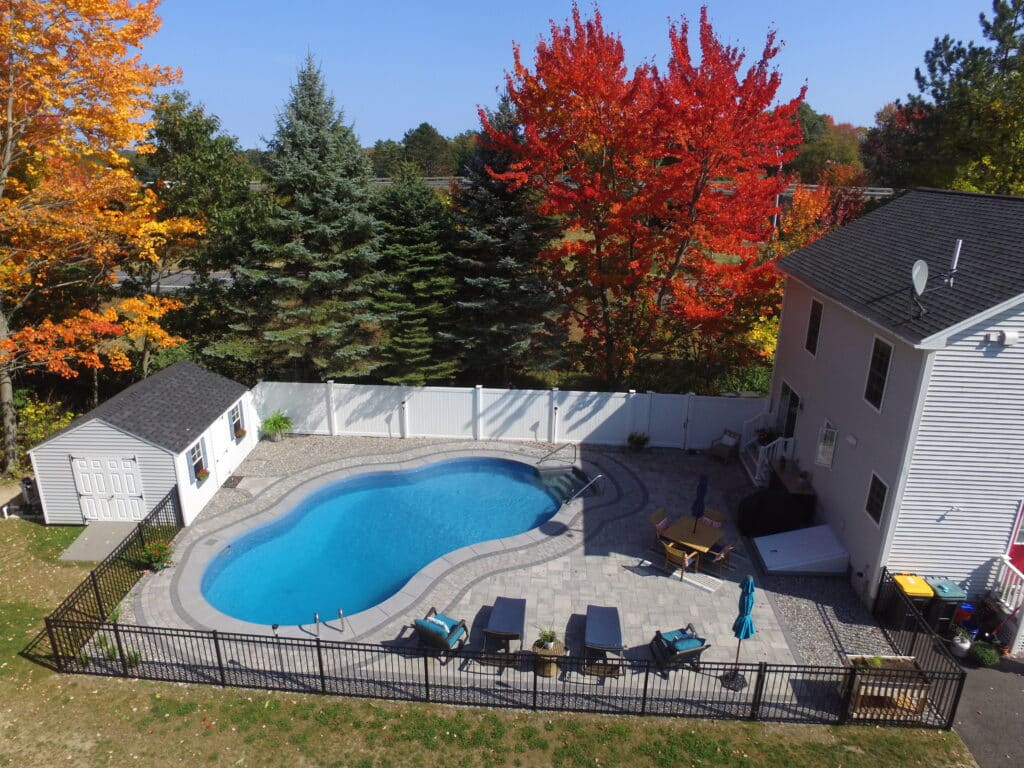
Concrete is poured around the pool for stamped or stone patio. We then install the permanent fence and pool landscaping.
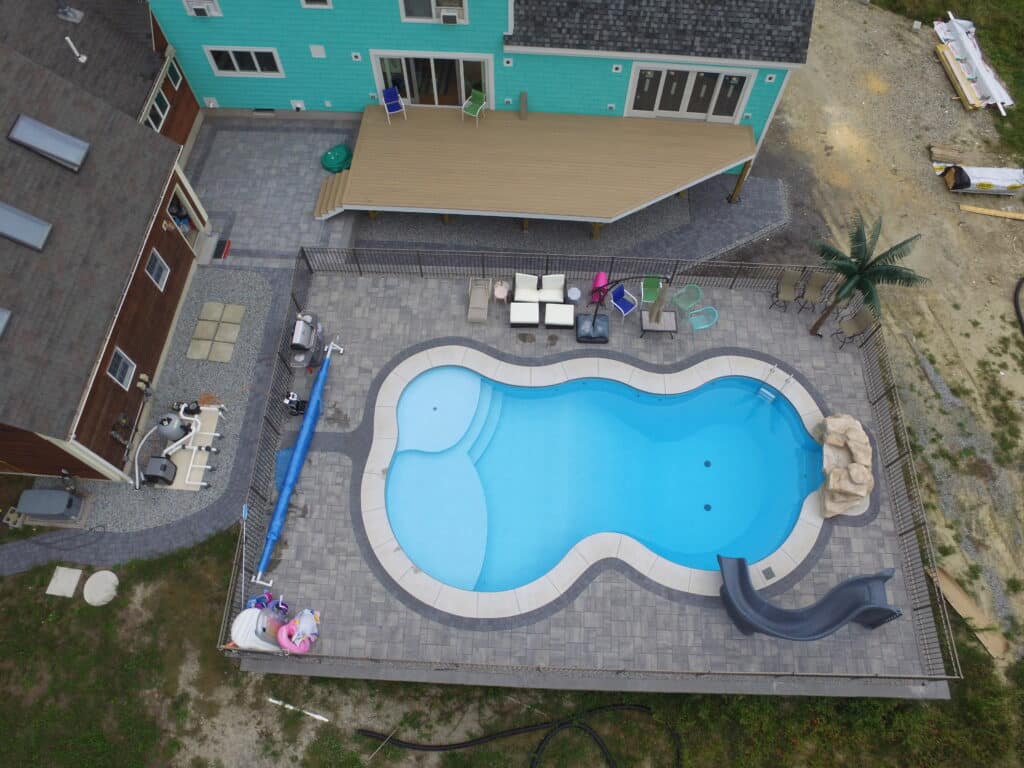
Before we start your pool, we check and balance the pool water chemistry and then run the filtration system.
FAQs
Start designing your dream pool — get a free design consultation with a local Premier builder.
Vinyl pool liners can last up to 10 years with regular maintenance. However, factors such as exposure to sunlight, wear and tear, and the amount of care and upkeep can affect their lifespan.
Vinyl pools are affordable, customizable in shape and size, and have a smooth, non-abrasive surface.
All types of swimming pools, including vinyl liner, fiberglass, and concrete, can be effectively heated with solar pool heaters, electric heat pumps, and gas heaters.
Yes! If you have a vinyl liner, you can use a salt chlorinator system in your pool without any issues.
The exact installation time depends on the project’s scope. Still, with its quick installation time, a vinyl pool can be completed in as little as four weeks!