
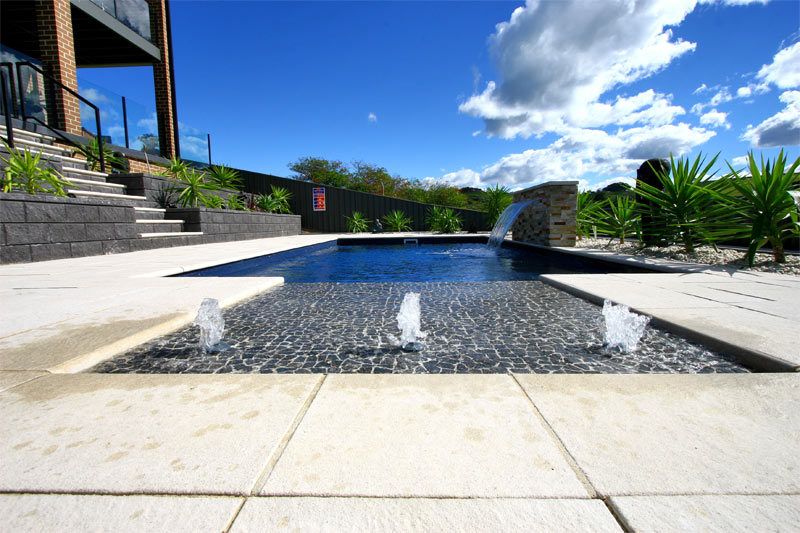
What Is a Pool Bubbler?
If you own a pool, you know how important it is to keep the water clean and circulating. One way to do this is to install a pool bubbler. Pool bubblers are devices that create bubbles in the water, which helps circulate the water and keeps debris from settling on the bottom of the pool.
There are many different types of pool bubblers on the market, so it’s important to do your research before purchasing one. Below, we’ll cover the things you should consider before buying a pool bubbler, including price, features, and installation.
What to Consider Before Buying a Pool Bubbler
💲 Price
Price is always an important consideration when making any purchase, and pool bubblers are no exception. There’s a wide range of prices for these devices, so you’ll need to determine your budget before shopping around. Some factors that affect the price include the size of the unit and the features it offers.
⚙️ Features
When it comes to features, there are a few things to look for. First, make sure the unit has adjustable flow control so you can customize the level of bubbles it produces. Look for units with multiple nozzle settings so you can create different bubble effects in your pool. Finally, consider units that come with timers or remote controls for added convenience.
🔧 Installation
Installation is another factor to consider. Some units are designed to be installed above ground, while others must be submersed in water. Make sure you know where you want to place your unit before making a purchase so you can choose the right one for your needs. If possible, ask a professional installer for their opinion on which type of unit would be best for your pool.
How Do Pool Bubblers Work?
A pool bubbler is a great way to add some pizzazz to your pool. They’re also relatively simple devices that can be easily installed and maintained. So how do they work?
Pool bubblers work by using a small pump to circulate water from the pool through a hose and back again. The hose is connected to a nozzle that creates the bubbles, which are then emitted from the nozzle back into the pool.
Good to know: The size of the pump dictates how many bubbles can be produced — larger pumps create more bubbles. Pool bubblers typically use between 500 and 1,000 gallons per hour (GPH).
To install a pool bubbler, connect the pump to an electrical outlet and place the nozzle in the desired location in your pool. Once the nozzle is in place, turn on the pump and enjoy your new pool feature.
Maintenance is relatively straightforward. You’ll need to clean the pump’s filter on a regular basis and make sure no debris is blocking the nozzle. Other than that, just sit back and enjoy the show.
Are Pool Bubblers Worth It?
If you’re thinking about adding a pool bubbler, you may be wondering if it’s worth the investment. Pool bubblers can add a lot of fun and excitement to your pool, but they also come with a few drawbacks. Here’s what you need to know before you decide.
✅ Benefits of Pool Bubblers
Create a waterfall effect: One of the most popular reasons people add bubblers is the waterfall effect they create. If you want to turn your pool into a backyard oasis, a bubbler is a great way to do it.
Provide relaxation: The sound of running water is proven to be relaxing and can help you unwind after a long day.
Increase circulation: By circulating the water in your pool, bubblers help keep it clean and clear.
Add visibility in low light: Paired with pool lighting, a bubbler feature makes nighttime swimming easier to see and enjoy.
⚠️ Downsides of Pool Bubblers
Higher operating costs: Depending on how often you run it, the pump can add noticeably to your operating costs.
More maintenance: Since bubblers circulate water through filters and pumps, they require more upkeep than a standard pool. You’ll need to regularly check and clean these parts to keep your bubbler running properly.
Looking for a Pool Builder?
Premier Pools & Spas can help you design and build the backyard pool you’ve been picturing — bubblers and all. See our locations or fill out the free quote form to get started.